







Book Review: This Movie Doesn’t End the Way We Want — Hailey Piper
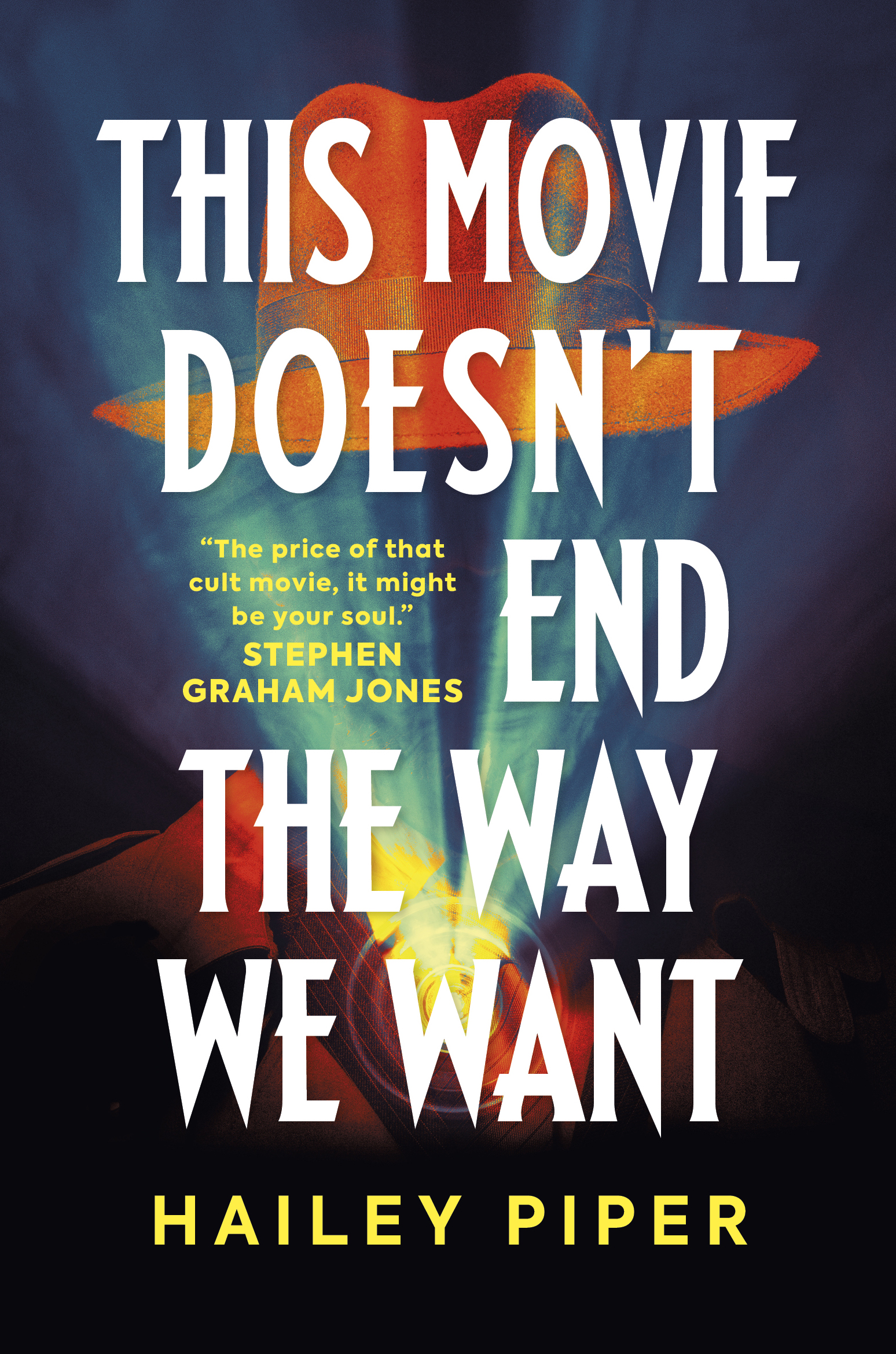
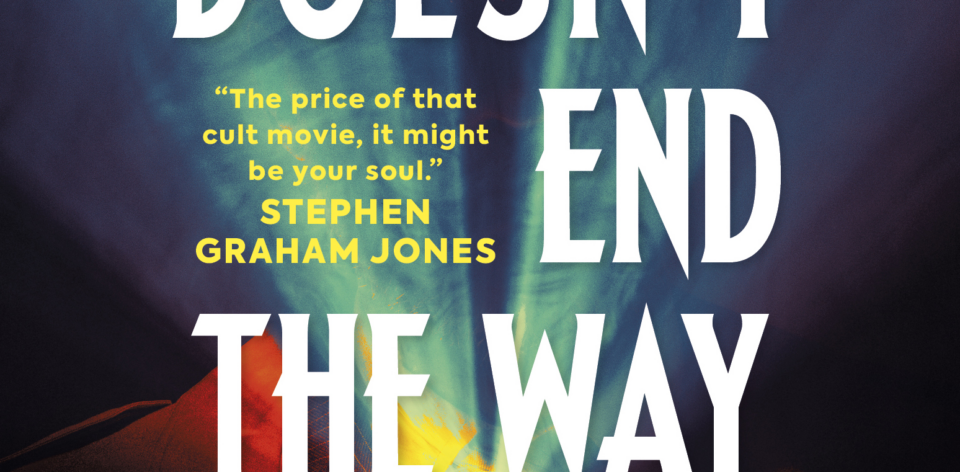
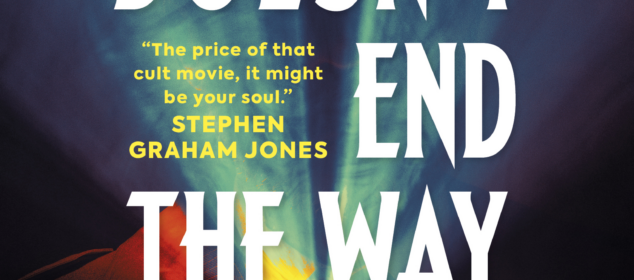
Who doesn’t love an unwieldy title? This Movie Doesn’t End the Way We Want is a long walk to say or type out every time you think about it, but it’s quite possible that author Hailey Piper couldn’t have got away with naming the book for the movie the title refers to, Blood-Curse of the Toad Man (also a loveable title, but maybe difficult to hand sell). This Movie Doesn’t End the Way We Want is an amiable and intriguing entry in the cursed film horror subgenre, an occasionally disturbing and even philosophical piece.
In 1994, Valerie McQueen took her sister and best friend to a screening of Blood-Curse of the Toad Man, but they both disappeared from the cinema without trace before the credits rolled. Thirty years later, Val lives alone, has few friends, is quick to anger, and hasn’t seen a movie for decades. When someone comes asking questions about her sister, Val begins to see things that she’d long repressed, and realises that Blood-Curse of the Toad Man is not yet done with her.
This Movie Doesn’t End the Way We Want is written by a cinephile of the sort that can’t really conceive of people who don’t like movies — if you’ve ever met the movie averse in real life, it is a somewhat disquieting experience; we’re inured to people who don’t read by now, but to eschew movies as well is beyond the pale — and so Val’s life seems colourless for reasons beyond the obvious.
Fortunately Val is counterbalanced by her high school classmate, lost media detective Roxie de la Fontaine, who has kept up on cinematic trends. The introduction of Roxie and a newly split focus in the narration opens up the book and allows for different attitudinal approaches to the situation; Val’s need for the now clashes with Roxie’s desire for answers no matter the cost, even though Roxie’s involvement is contingent upon Val’s request. The push and pull of the narrative from the fear of knowing to the thrill of discovery works well and, through Roxie, Piper is able to reveal information about the Toad Man without coming across as overly didactic or expository.
The most refreshing aspect of This Movie Doesn’t End the Way We Want is that its two female leads are lesbians without a single iota of erotic frisson between them. Roxie is married and her wife is overseas for work but there’s never a question of infidelity, which in the mists of time would likely have been passed down into the narrative via editorial decree. Val is a character who has understandably flattened herself due to trauma, but Roxie is the sort of woman you could base a franchise around if you had enough ideas for future stories (admittedly, if movies kept trying to kill you, you probably would eventually abstain).
From a horror perspective, This Movie Doesn’t End the Way We Want has a constant edge of unreality, and the concept is eerie. Part of the conceit is a feel and a smell, and Piper’s descriptions become revoltingly tactile as needed. The mystery of Blood-Curse of the Toad Man is a refreshing twist on the cursed film formula, and it forms a nice bridge between the analogue age of Val’s first screening and the digital frontier of urban legend. Parts of the climax are somewhat byzantine and abstract, yet the overall effect is one of cohesion.
Less successful is the recurring, constantly changing, song that accompanies Blood-Curse of the Toad Man. No matter how you look at the song, the words that follow the “Toad Man, Toad Man” refrain are consistently difficult to make scan. Piper’s acknowledgements say that her wife has asked her never to sing the Toad Man song aloud again: I promise you it’s all in her head and has not escaped containment.
If you like a good cursed film story — and are well aware that there are some bad ones out there — This Movie Doesn’t End the Way We Want is a solid addition to the canon. The magic of the hyperreality of cinema is played with and stretched to its darkly logical conclusion; if you ever felt that a movie was made specifically to kill you, this book will help confirm your suspicions.
An Advanced Reader Copy was provided by Titan Books for review.